
Lyft
Application Overview
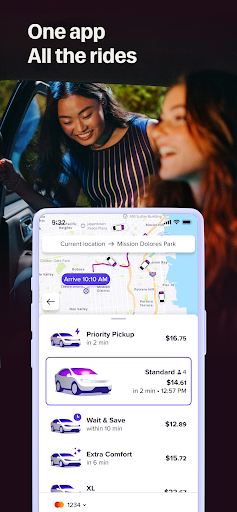
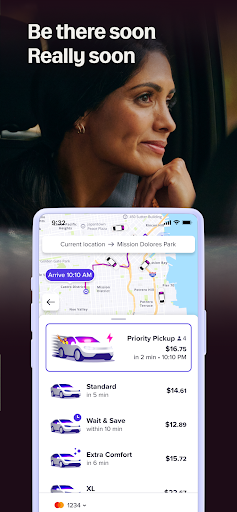
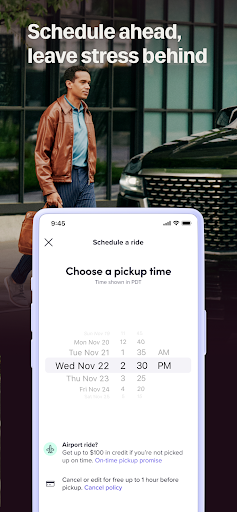
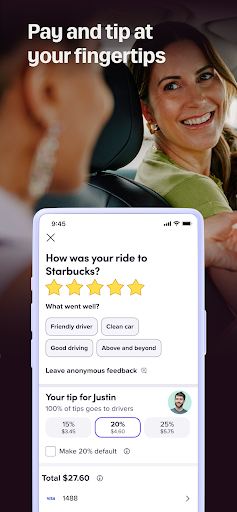
Lyft connects riders with nearby drivers through a user-friendly interface. By simply entering their destination, users can request a ride, track their driver’s arrival, and pay seamlessly through the app. Lyft offers various ride options, including shared rides, standard cars, and premium vehicles, catering to different budgets and preferences.
Key Features
- Real-Time Tracking: Users can see the location of their driver in real-time, ensuring transparency and reducing wait times.
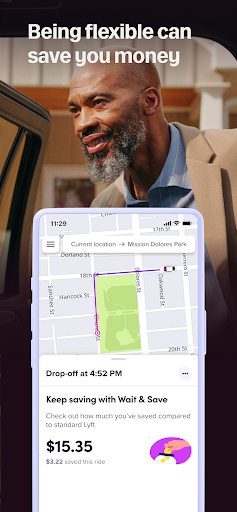
- Multiple Ride Options: From cost-effective shared rides to luxury vehicles, Lyft provides flexibility for every type of traveler.
- Integrated Payment System: Payments are processed directly through the app, eliminating the need for cash transactions. Users can also split fares with friends effortlessly.
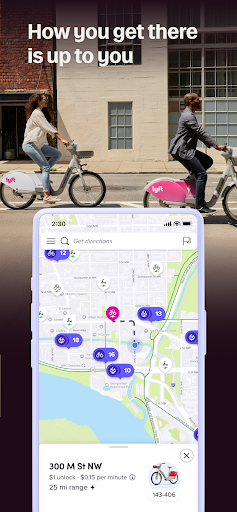
- Bike and Scooter Rentals: In addition to ridesharing, Lyft offers access to bicycles and electric scooters for short-distance travel.
- Autonomous Vehicle Testing: Lyft is actively exploring self-driving technology, partnering with companies like Mobileye and May Mobility to enhance its services.
Pros and Cons
Advantages: Lyft is often more affordable than its competitors, making it an attractive choice for budget-conscious travelers. The app’s intuitive design ensures ease of use, while features like fare splitting add convenience. Additionally, Lyft’s focus on sustainability and innovation positions it as a forward-thinking platform.
Disadvantages: Some users have reported longer wait times compared to other ridesharing services. Occasional issues with driver cancellations or customer support responsiveness have also been noted. Furthermore, Lyft’s service availability may be limited in certain regions outside major urban areas.
Overall, Lyft stands out as a versatile and accessible transportation solution, continuously evolving to meet the needs of modern commuters.
Similar to This App


Hot Apps