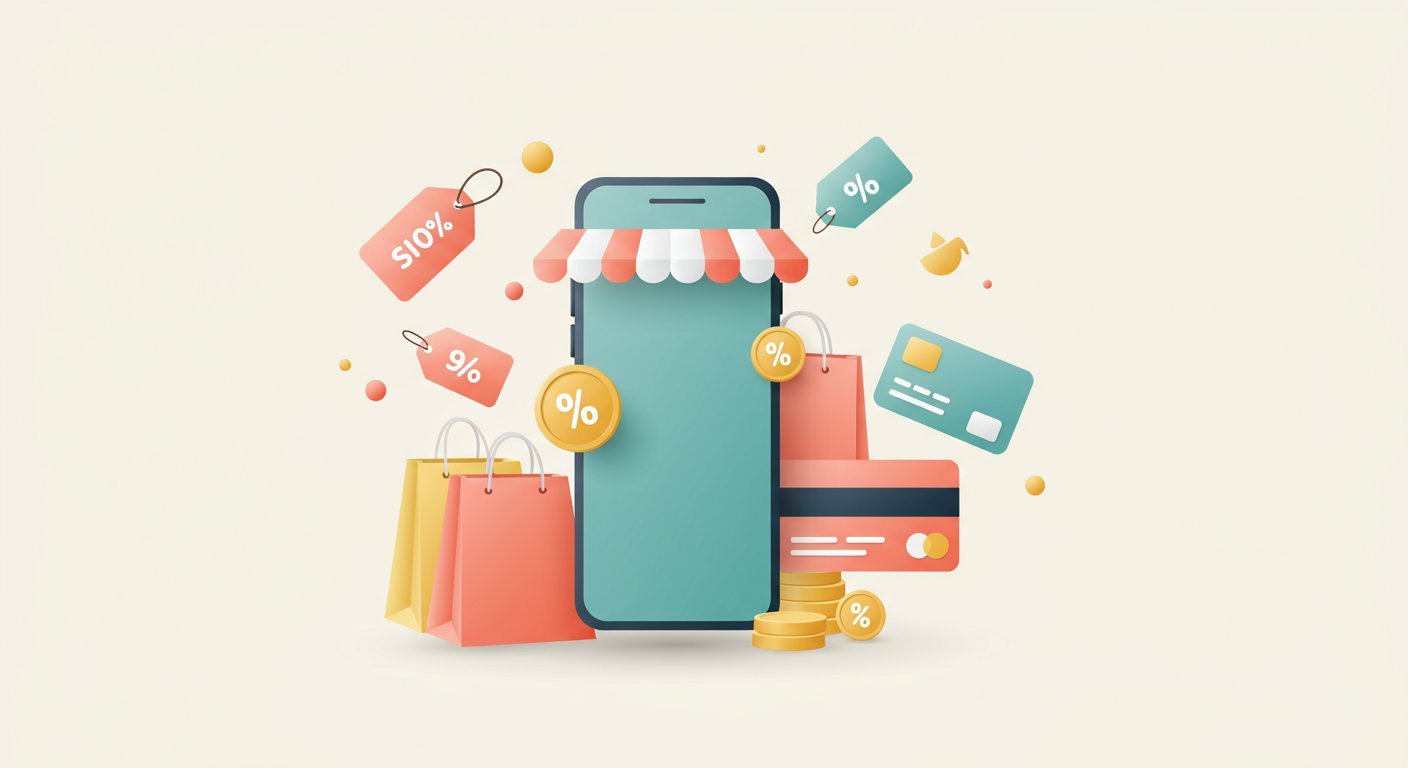
Shopping from your phone offers unparalleled convenience. With just a few taps, you can buy groceries, a new television, or a handmade gift from the other side of the world. But the Google Play Store is a crowded mall, packed with everything from trusted retail giants to obscure direct-from-China marketplaces. Navigating this landscape can be confusing. This guide will demystify the world of Android shopping apps, breaking them down into distinct categories, exploring when to use each, and highlighting the critical trust signals you should always look for before you click “buy.”
The Digital Department Stores: Marketplace Apps
The most recognizable names in online shopping fall into this category. Think of apps like Amazon Shopping, Walmart: Shopping & Savings, and Target: Shop Deals & Trends. These are the digital equivalents of massive, all-in-one superstores. Their primary appeal is the sheer breadth of their inventory. You can find almost anything you need, from brand-name electronics to generic paper towels, all within a single app.
The competition on these platforms generally keeps prices in check, and their massive logistics networks often mean fast, reliable shipping. Integrated review systems are another major benefit, offering social proof—or warning—from thousands of other buyers. However, these behemoths are not without their problems. The endless selection can lead to decision fatigue. More importantly, the proliferation of third-party sellers has introduced a significant element of risk. While you might be buying on Amazon's platform, the actual seller could be an unknown entity operating overseas. This has led to a noticeable increase in low-quality knockoffs and even dangerous counterfeit goods, from fake chargers to bogus cosmetics. It's become crucial to check who the actual seller is, not just the platform you're buying from.
The New Frontier: Aggregators and Niche Markets
This rapidly growing category has disrupted online retail, offering impossibly low prices and unique items. But it comes with its own set of trade-offs and requires a different kind of shopper awareness. It's best to think of this space in two distinct parts.
The Ultra-Low-Cost Aggregators
You've seen the ads. Apps like Temu: Shop Like a Billionaire and SHEIN-Shopping Online have exploded in popularity by connecting Western consumers directly with Chinese manufacturers, cutting out multiple middlemen. Their business model is built on impulse buys, offering a dizzying array of products for just a few dollars. If you need a novelty kitchen gadget or a trendy t-shirt you only plan to wear once, the prices are undeniably tempting. These platforms are essentially a more gamified and aggressive evolution of older sites like AliExpress - Shopping App.
However, the bargain-basement prices come at a cost that isn't reflected on the tag. Product quality is a lottery; what arrives often bears only a passing resemblance to the product photo. Sizing for clothing is notoriously inconsistent. Beyond that, serious questions loom over these companies regarding data privacy, the environmental impact of producing huge volumes of disposable goods, and the ethics of their labor practices. While they offer a way to get certain items for incredibly cheap, you are rolling the dice on quality and engaging with a business model that has significant, well-documented downsides.
Curated & Craft-Focused Marketplaces
On the other end of the spectrum are marketplaces like Etsy: Shop Home, Style & More. The original promise of Etsy was to provide a platform for independent artisans, crafters, and sellers of vintage goods to reach a global audience. For shoppers, it's a place to find unique, personalized items that you simply won't see at a big-box store. It allows you to support small businesses directly and find products with a personal touch.
Unfortunately, Etsy's success has attracted those looking to exploit its brand. The platform now struggles with a significant number of resellers who dropship mass-produced items from the same factories used by the aggregators mentioned above, passing them off as “handmade.” This can make it difficult to know if you're truly supporting an artist or just paying a premium for a cheap import. To find the real deal, you often have to dig deep into seller profiles, read reviews carefully, and look for signs of genuine craftsmanship.
Going Direct: Brand and Retailer Apps
Nearly every major brand has its own dedicated shopping app, from Best Buy: Shop tech deals for electronics to Sephora for cosmetics. At first, this seems redundant. Why download a separate app when you can probably find the same products on Amazon? The answer lies in loyalty and specialization. These apps are often the gateway to a brand's loyalty program, offering points, rewards, and exclusive app-only discounts you won't find anywhere else.
They also provide a more focused shopping experience. If you know you want a specific type of product, going directly to the source cuts out the noise of third-party sellers and irrelevant items. For brick-and-mortar stores, the app is also the best tool for managing in-store or curbside pickup, providing more accurate local inventory data than a massive marketplace can. The main drawback is app clutter. If you shop at a dozen different stores, your phone can quickly fill up. These apps are also notoriously aggressive with notifications, constantly tempting you with sales and new arrivals.
The Secondhand Economy: Pre-Owned and Peer-to-Peer
Buying used is not only a great way to save money but also a more sustainable way to shop. The secondhand market has moved far beyond local classifieds into sophisticated app-based platforms. Apps like Whatnot: Shop, Sell, Connect have popularized a live auction format for collectibles like trading cards and vintage clothing, creating a fast-paced, community-driven shopping experience. Other platforms like Depop, Poshmark, and even Facebook Marketplace cater to different niches, from fashion to furniture.
The obvious benefit is the price. You can find high-quality, brand-name items for a fraction of their original cost. You can also discover rare or discontinued products that are no longer available new. The risks, however, are higher. You are buying directly from another person, so there's no warranty and returns can be difficult or impossible. The condition of an item is subjective, and photos can be misleading. Scams are a real concern, making it essential to use the platform's official payment system and never take a transaction off-app.
Shopping Safely: Trust Signals and Red Flags
Regardless of which app you use, a healthy dose of skepticism is your best defense. Before entering your payment information, take a moment to evaluate the app and the seller.
What to Look For
- A Clear Return Policy: A trustworthy seller will have a clear, easy-to-find return policy. If you can't find one, or if it says “all sales final” on everything, proceed with extreme caution.
- Secure Checkout: Look for a padlock icon and recognized payment gateways like Google Pay, PayPal, or Shop Pay. These services add a layer of protection between your credit card info and the seller.
- Detailed, Recent Reviews: Don't just look at the star rating. Read recent reviews for specific products. Look for reviews that mention product quality, shipping speed, and customer service experiences. Be wary of generic, five-star reviews that all sound the same.
- Reasonable App Permissions: When you install an app, check what it wants to access. A shopping app needs access to storage for data and maybe your camera to scan barcodes, but it has no legitimate reason to access your contacts or call logs.
Red Flags to Avoid
- Prices That Defy Logic: If a brand-new, popular electronic device is listed at 80% off retail, it's a scam. No exceptions.
- High-Pressure Tactics: Constant “only 2 left!” banners and aggressive countdown timers are designed to rush you into a bad decision. Reputable retailers use these tactics sparingly, if at all.
- Sloppy Presentation: Typos, grammatical errors, and low-resolution images in the app or on product listings are signs of a low-effort, and likely untrustworthy, operation.
- Requests for Off-App Payment: If a seller asks you to pay them directly through Venmo, Cash App, or a wire transfer to “get a better deal,” it's a scam. Always complete transactions through the platform's official checkout process.
Ultimately, the world of Android shopping apps is one of specialization. There is no single “best” app, only the right tool for the right job. Amazon Shopping is great for convenience, Temu might be fine for a cheap party decoration, and Etsy is where you might find a perfect personalized gift. By understanding the strengths and weaknesses of each category and arming yourself with the knowledge to spot red flags, you can transform your phone from a simple communication device into a powerful and safe shopping tool.